Maintaining a beautiful and healthy yard doesn't have to break the bank or waste a fortune of water. With the right strategies, you can save both money and water while ensuring your plants stay well - hydrated. Here are some essential tips for effective yard care.
One of the most crucial aspects of yard watering is timing. Watering your yard early in the morning is ideal. During the early hours, the temperature is lower, and the wind is usually calmer. This means less water is lost to evaporation. When you water in the middle of the day, the sun's heat can quickly dry up the water before it has a chance to soak into the soil and reach the plant roots. Similarly, watering at night can lead to prolonged moisture on the plant leaves, which may encourage the growth of fungi and diseases. So, set your alarm a little earlier and make the most of the morning hours for watering.
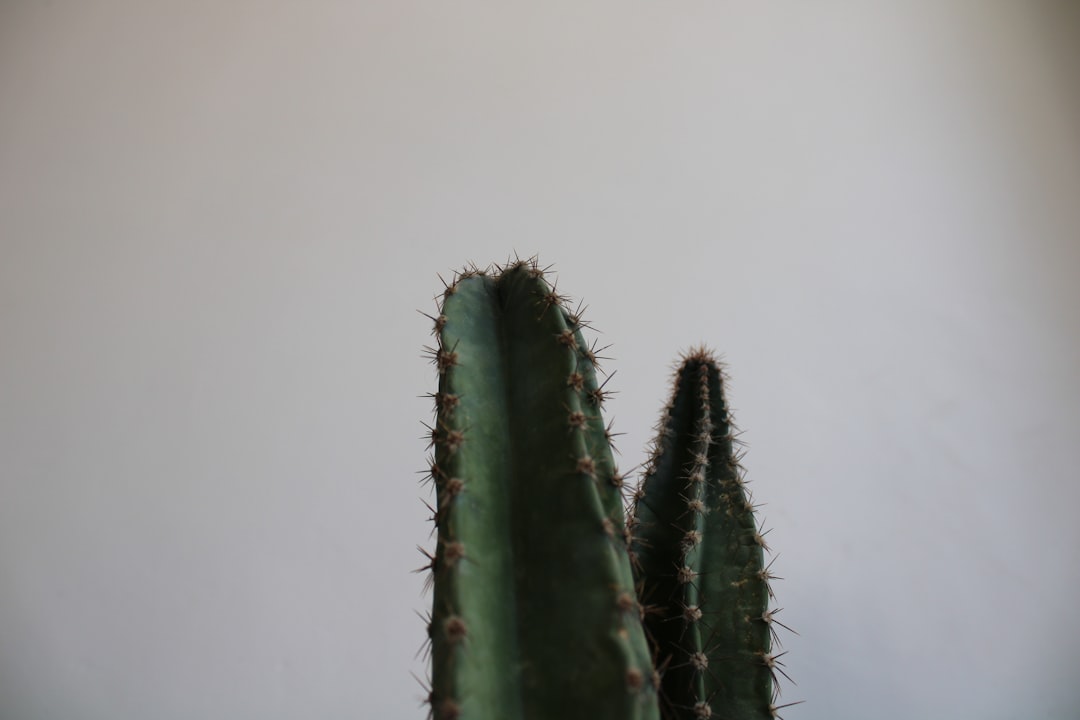
Another key factor is the type of plants you choose. Opt for native plants in your yard. Native plants are well - adapted to the local climate, soil conditions, and rainfall patterns. They have evolved over time to thrive with minimal additional watering. For example, if you live in a dry region, native succulents and cacti are excellent choices. These plants have specialized water - storage tissues that allow them to survive long periods without water. In contrast, non - native plants may require more frequent and intensive watering to stay alive, which can be costly and wasteful.
Investing in a good irrigation system can also make a significant difference in water conservation. Drip irrigation systems are highly efficient. Instead of spraying water over a large area, drip systems release water directly at the base of the plants, minimizing runoff and evaporation. They can be programmed to deliver the right amount of water at the right time, ensuring that each plant gets exactly what it needs. Soaker hoses are another great option. They seep water slowly into the soil, allowing it to penetrate deeply and reach the roots effectively.
Proper soil management is essential for water - efficient yard care. Healthy soil can hold more water and provide better support for plant roots. Add organic matter such as compost to your soil regularly. Compost improves soil structure, making it more porous and able to retain water. It also provides essential nutrients for your plants, promoting their overall health. Additionally, mulching is a simple yet effective technique. A layer of mulch, such as wood chips or straw, on top of the soil helps to reduce evaporation, suppress weed growth, and keep the soil cool. This means less water is needed to keep the plants hydrated.
Regularly check your yard for leaks in the irrigation system. A small leak can waste a large amount of water over time. Inspect your hoses, sprinklers, and valves for any signs of damage or leakage. Fix any issues promptly to prevent water loss. Also, adjust your watering schedule according to the season. In the cooler months, your plants will require less water, so reduce the frequency and duration of watering. During hot and dry spells, you may need to increase the water supply slightly, but still, do it in a smart and efficient way.
Grouping plants with similar water needs together is a smart strategy. This way, you can water them more precisely and avoid over - or under - watering. For instance, place drought - tolerant plants in one area and those that require more moisture in another. This targeted approach not only saves water but also helps the plants thrive better.
Finally, consider collecting rainwater. You can install rain barrels to capture rainwater from your roof. This free water source can be used to irrigate your yard during dry periods. It's an eco - friendly and cost - effective way to keep your plants hydrated.
In conclusion, by following these tips on watering at the right time, choosing suitable plants, using efficient irrigation systems, managing soil, checking for leaks, grouping plants, and collecting rainwater, you can create a beautiful and sustainable yard that saves water and money while keeping your plants healthy and hydrated. Remember, a little effort in the right direction can go a long way in yard care.