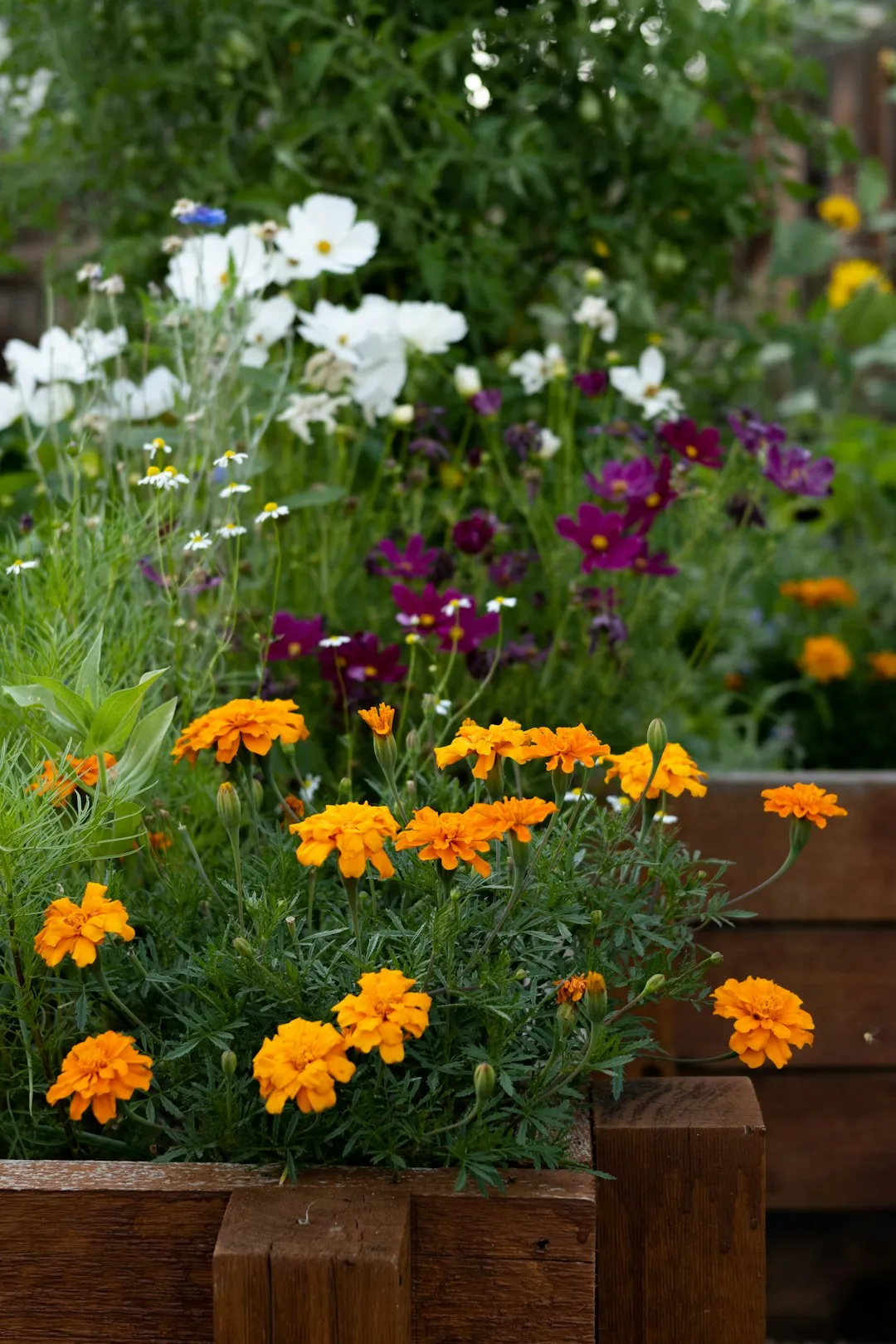
Embarking on the journey of gardening is an exciting endeavor, but it comes with its fair share of challenges. One of the most crucial aspects of nurturing a thriving garden is proper watering. In this article, we'll explore essential watering tips that will give your new garden the best start possible, encouraging deep roots and building a resilient landscape.
Watering is not just about dousing your plants with water; it's a science that requires understanding your garden's unique needs. The frequency and amount of water your plants receive can significantly impact their growth and health. Overwatering can lead to root rot and other diseases, while underwatering can cause your plants to wilt and die. Therefore, finding the right balance is key.
### Understanding Your Soil
The first step in effective watering is to understand the type of soil in your garden. Different soils have different water-holding capacities. For example, sandy soil drains water quickly, while clay soil retains water for longer periods. Knowing your soil type will help you determine how often and how much to water your plants.
To test your soil, take a handful of it and squeeze it. If it crumbles easily, it's sandy soil. If it forms a ball that holds its shape, it's clay soil. Loamy soil, which is a mixture of sand, silt, and clay, is considered the ideal soil for gardening as it retains moisture well while also allowing for good drainage.
### Watering at the Right Time
The time of day you water your garden is also important. Watering in the early morning is the best time as it allows the plants to absorb the water before the sun gets too hot. This reduces the risk of evaporation and ensures that the water reaches the roots where it's needed most. Avoid watering in the evening as this can create a damp environment that is conducive to the growth of fungi and other diseases.
### Using the Right Tools
Investing in the right watering tools can make a big difference in the health of your garden. A soaker hose or drip irrigation system is a great option as it delivers water directly to the roots, minimizing waste and ensuring that the plants receive a consistent supply of water. These systems are also easy to install and can be customized to fit the specific needs of your garden.
If you prefer to use a watering can, make sure it has a fine nozzle to prevent the water from splashing and damaging the plants. You can also use a sprinkler, but be careful not to overwater as this can lead to water runoff and waste.
### Watering Deeply and Infrequently
One of the most important watering tips is to water deeply and infrequently. This encourages the roots to grow deeper into the soil, making the plants more resilient to drought and other environmental stressors. Instead of watering lightly every day, water your plants thoroughly once or twice a week, depending on the weather and the type of soil in your garden.
To water deeply, apply water slowly and evenly to the soil until it is saturated. You can use a moisture meter to determine when the soil is dry enough to water again. This will help you avoid overwatering and ensure that your plants are getting the right amount of water.
### Mulching Your Garden
Mulching is another effective way to conserve water and keep your garden healthy. A layer of mulch, such as wood chips, straw, or leaves, helps to retain moisture in the soil, reduce evaporation, and suppress weed growth. It also adds nutrients to the soil as it decomposes, improving the overall health of your plants.
To mulch your garden, spread a layer of mulch around the base of your plants, making sure to keep it away from the stems. The thickness of the mulch layer will depend on the type of mulch you are using and the climate in your area. Generally, a layer of 2-3 inches is sufficient.
### Monitoring Your Garden
Finally, it's important to monitor your garden regularly to ensure that your plants are getting the right amount of water. Check the soil moisture level by sticking your finger into the soil up to the second knuckle. If the soil feels dry, it's time to water. You can also look for signs of stress in your plants, such as wilting, yellowing leaves, or stunted growth. These are all indications that your plants may not be getting enough water.
In conclusion, proper watering is essential for the health and success of your garden. By understanding your soil, watering at the right time, using the right tools, watering deeply and infrequently, mulching your garden, and monitoring your plants, you can give your new garden the best start possible and build a resilient landscape that will thrive for years to come.